Obtaining the BPJEPS to become a sports coach is not just about passing an exam. It is a work-study program that combines training in a center, internships in organizations, and practical tests. Before you dive in, it’s better to understand what this diploma concretely requires and what it does not guarantee.
BPJEPS fitness activities: what the diploma really covers
The BPJEPS (Professional Certificate of Youth, Popular Education and Sport) with a specialization in “fitness activities” is the reference diploma for legally supervising paid sports sessions in France.
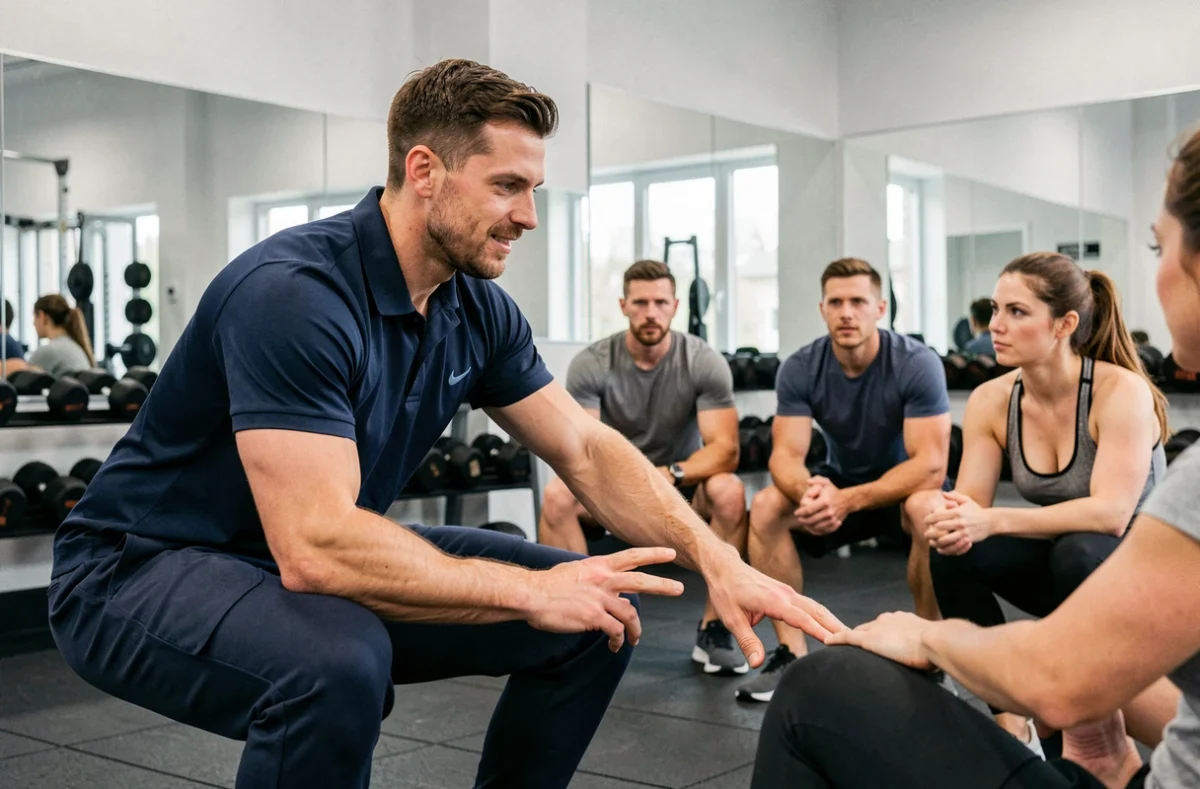
What many guides do not detail is the educational dimension of the BPJEPS. You learn to design session cycles adapted to various audiences, to assess a practitioner’s progress, and to ensure their safety. The diploma trains sports educators, not just experienced practitioners.
To delve deeper into the content of this training and its opportunities, you can find out everything on Mon Coach A Domicile, which details each step of the journey.
Prerequisites and selection tests for the BPJEPS: the path before training
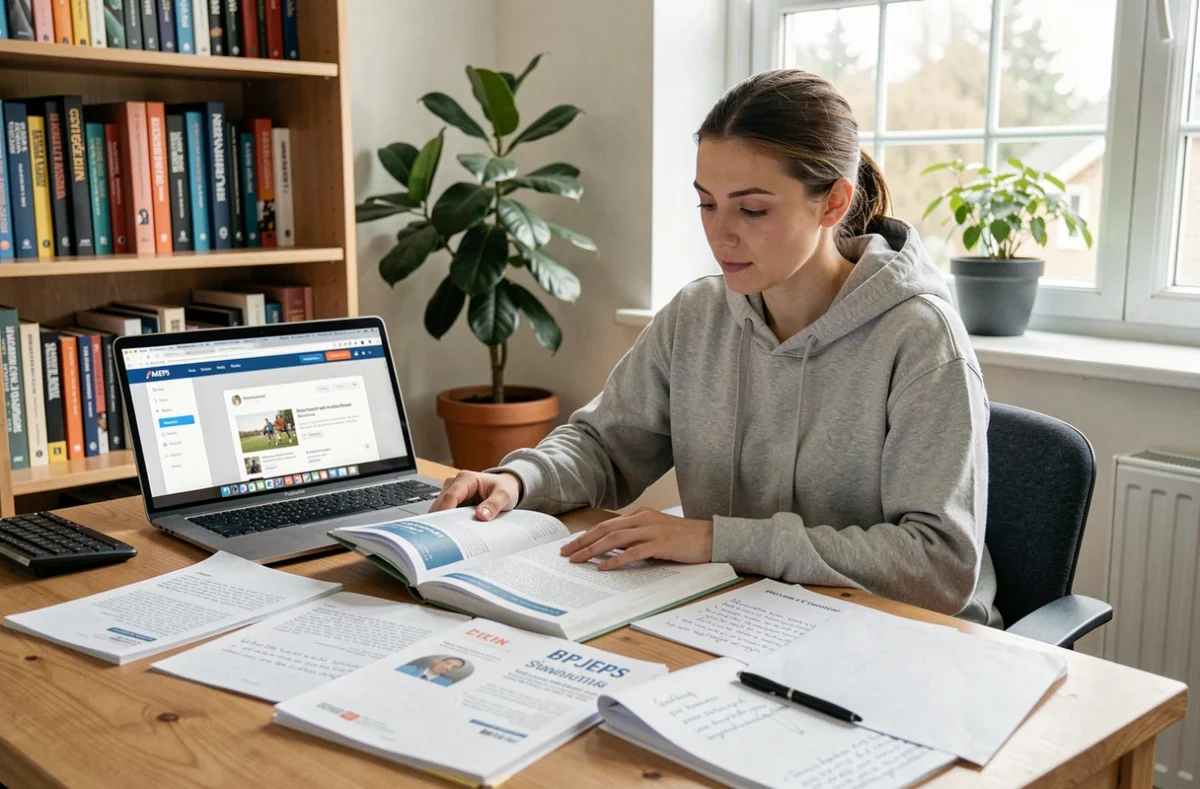
Before even joining a training organization, you must pass two distinct filters. The first is the TEP (Tests of Prerequisite Requirements). The second is the selection tests specific to each center.
The TEP: a mandatory physical foundation
The TEP checks that you have a sufficient level of sports practice. Depending on the chosen option, the tests differ. For the weight training option, expect technical demonstrations on basic movements. For group classes, a choreography or a sequence of animation is generally required.
Failing the TEP prevents entry into training. Prepare for them several months in advance if your sports practice is recent or self-taught.
Selection tests: the center chooses its candidates
Each training organization adds its own criteria. This may include a motivation interview, a written file, or a pedagogical situation. With the number of places being limited, the selection is real.
Prepare a clear professional project. The juries want to understand why you are aiming for this diploma and how you envision your activity after certification.
BPJEPS training in alternating format: rhythm, duration, and concrete organization
The training generally lasts between ten and eighteen months. The time is divided between the training center and the host organization (gym, association, club).
This alternating rhythm is both an advantage and a constraint. The advantage: you accumulate field experience from the first month. The constraint: maintaining a full-time job simultaneously is very difficult.
Organization varies by center. Some offer two days of training and three days in the organization. Others operate in blocks of several weeks. Inquire about the precise schedule before committing, especially if you have family or financial obligations.
Funding your BPJEPS training
Several schemes exist to cover training costs:
- The CPF (Personal Training Account) is often the first reflex, but the available balance rarely covers the entire cost.
- France Travail can supplement funding for job seekers, subject to eligibility conditions and project validation.
- The Professional Transition Project (PTP, formerly CIF) allows employees in retraining to maintain their salary during training, via Transitions Pro.
- The OPCOs finance alternating training for candidates under apprenticeship or professionalization contracts.
Prepare your funding application several months before the start of training. Administrative deadlines are long, especially for the PTP.
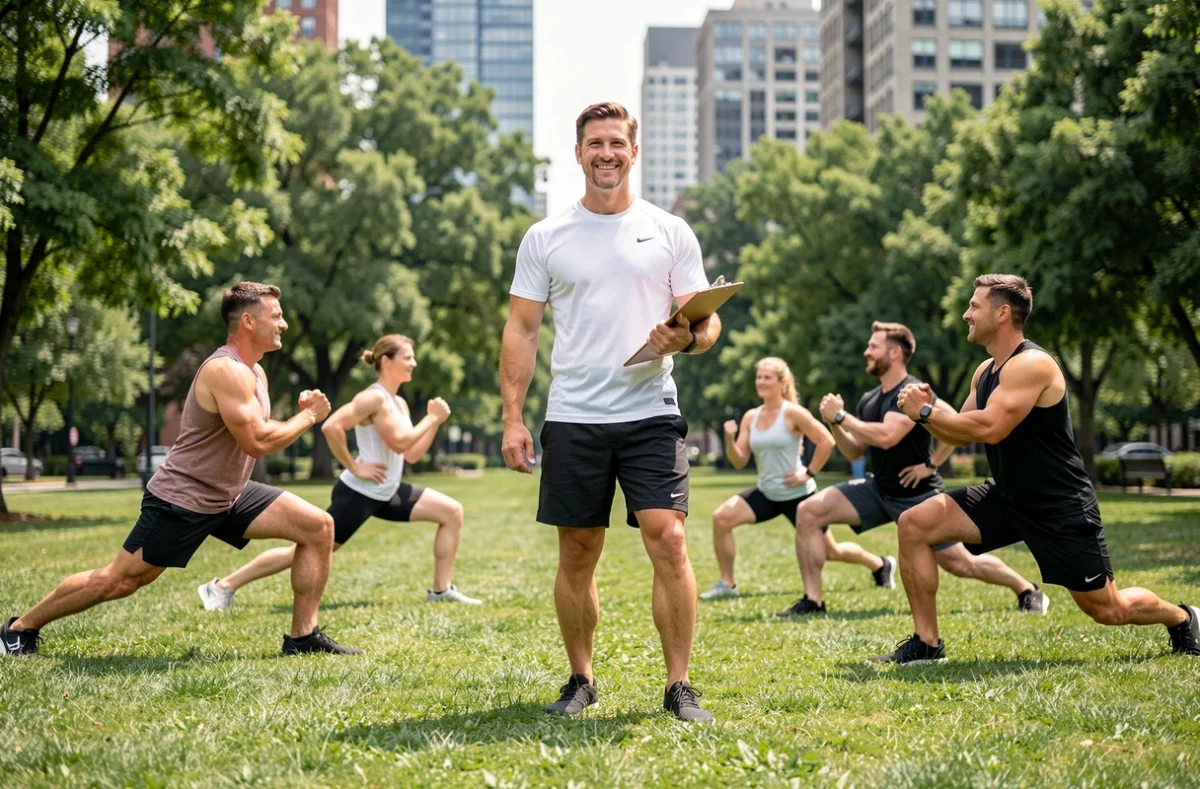
After the BPJEPS: the daily life of a sports coach
Obtaining the diploma gives you the right to practice. However, the daily life of a sports coach goes far beyond conducting sessions.
Recent job postings from France Travail show that employers expect skills that go beyond sports technique. Member retention, personalized sports assessments, and client development are explicitly mentioned in job descriptions. Pure coaching represents only part of the work.
Employee or independent: two different realities
The most common outcome is not necessarily a permanent contract in a gym. Many coaches work as freelancers or under independent status, including within gym networks.
This status involves managing your commercial prospecting, accounting, and communication. Have you noticed that the most visible coaches on social media are not always the most qualified? Commercial skill is as important as sports skill to make a living from this profession.
Part-time work, a market reality
Another point rarely addressed: many positions are offered with reduced or flexible hours. Assess your potential income based on the number of guaranteed hours, not just the displayed hourly rate. Combining multiple organizations or supplementing with home coaching is common at the start of a career.
The BPJEPS remains the strongest entry point into the profession of sports coach in France. But the diploma is just the first step. What will make the difference afterward is your ability to retain clients, adapt to various audiences, and build a viable activity, whether in a gym, an association, or on your own.