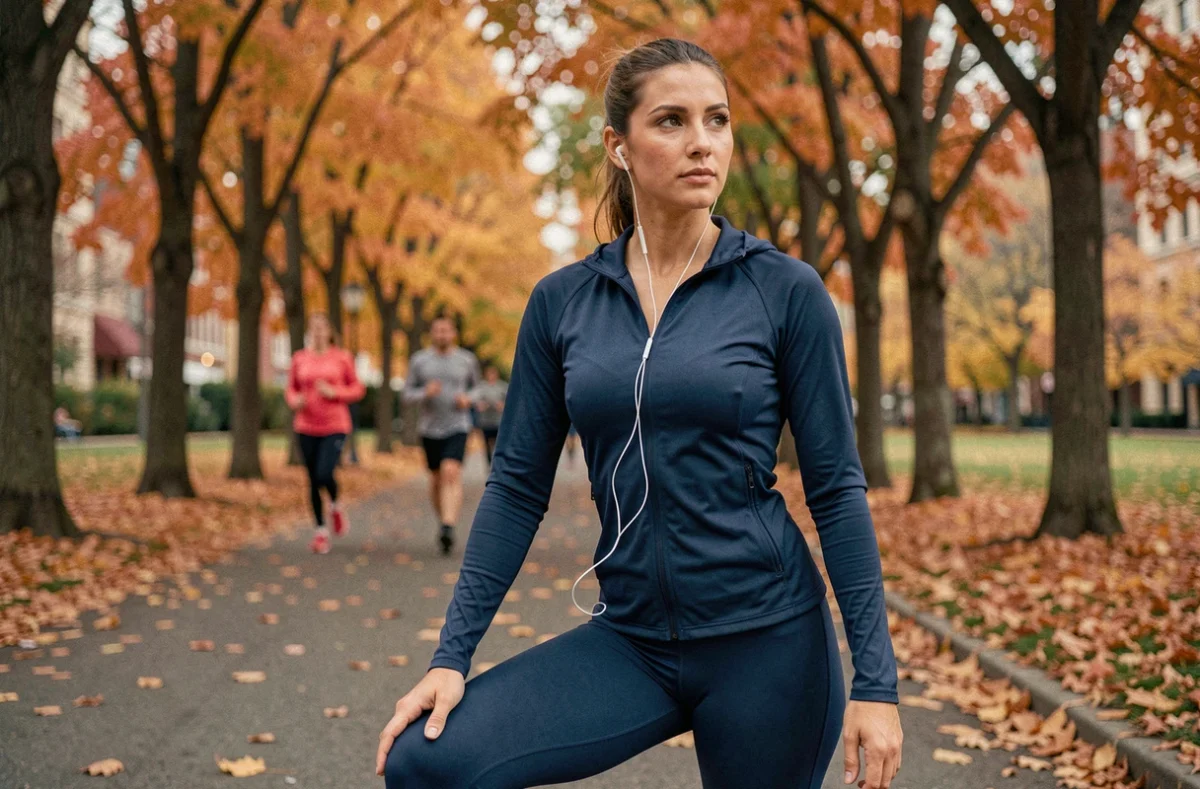
A runner following a training plan on their phone, a retiree discovering padel in a brand new complex: sports practice in France is no longer what it was five years ago. Locations, tools, and audiences are changing rapidly, and sources of information must keep pace to remain useful.
Sports practice outside clubs: what is changing concretely in daily life
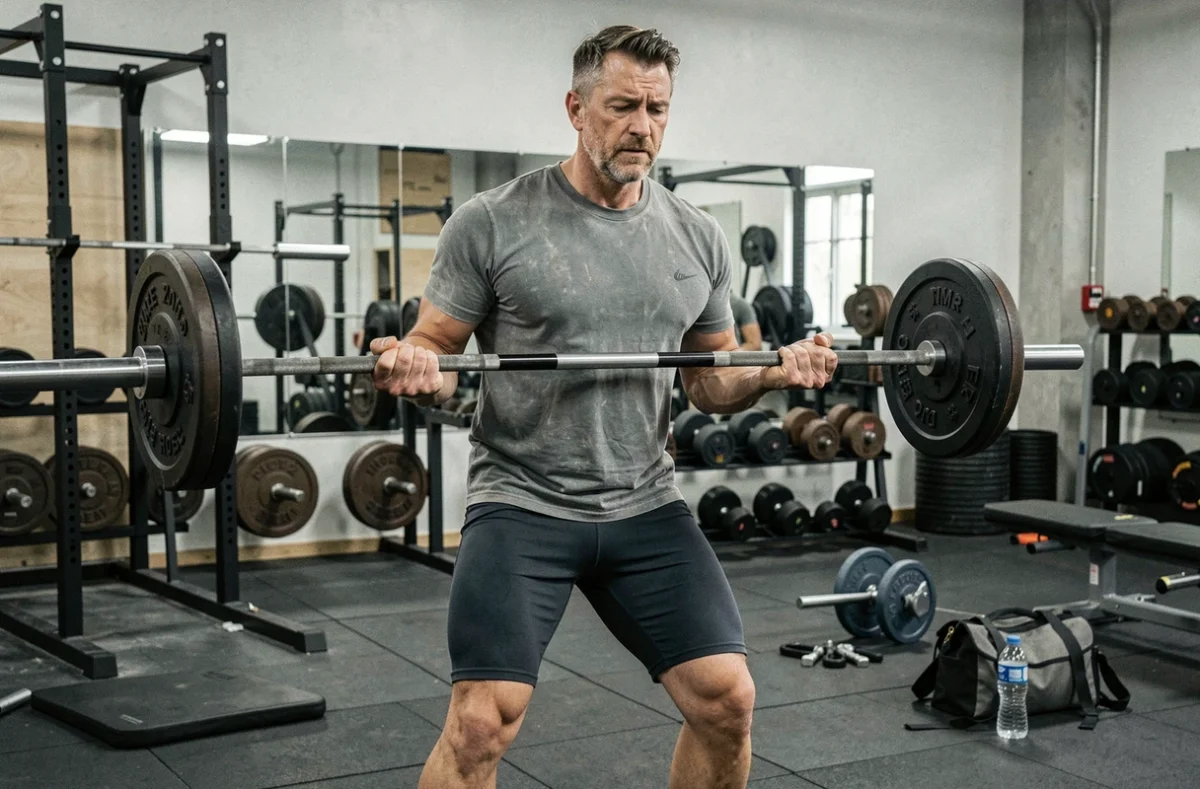
It’s evident on the ground: French people are increasingly practicing outside of associative clubs. Gyms, home training, apps, and online videos are taking over, seen as more flexible, less time-consuming, and less expensive.
This shift alters how we seek advice. Without a sports educator in front of us, we must find the right information on technique, recovery, or injury prevention ourselves. Consulting the Sportivoz website for sports allows for a mix of sports news and practical recommendations tailored to this autonomous practice mode.
The downside is the variable quality of online content. Between a tutorial filmed in a garage and a protocol validated by a physical trainer, the gap is immense. It’s better to prioritize sources that cite identifiable professionals and clearly distinguish health advice from mere entertainment.
Running, padel, office cycling: three signals to watch closely
Rather than listing all the trendy sports, let’s focus on three dynamics that say something concrete about the evolution of practice.
Running attracts a younger and more female audience
The Observatorio del Running 2026 reports a strong presence of women among new runners. The use of artificial intelligence to plan training is also progressing significantly. We are no longer in solitary and empirical running: digital tools now structure the progression of beginners.
For someone returning to running, this means that a personalized plan generated by an app can replace, at least partially, a coach. Feedback varies on this point, but the trend is clear.
Padel transforms sports complexes
Padel is experiencing rapid growth in French sports complexes. It generates a high turnover rate (short games, online booking) and attracts a mixed audience that may not have frequented these facilities before.
If you’re looking for a social and accessible physical activity, padel combines moderate cardio, friendliness, and a low technical barrier to entry.
Office cycling in companies
The concept of office cycling illustrates a reality: many practitioners do not have a dedicated time slot for sports. Physical activity fits into the cracks of the day, not into a separate schedule.
Seniors and women: two audiences whose progression changes the game
Licenses for those over 55 increased by 4% in 2025, a faster growth rate than that of those under 14. Meanwhile, school and university sports were declining. Seniors are driving the growth of structured practice, forcing federations to adapt their formats.
In terms of gender parity, regular practice is now almost equivalent between women and men. However, the synthesis from INJEP published by Holissence in September 2026 nuances this progress:
- Women remain a minority among licensed federations, indicating that access to competitions and facilities remains unequal.
- Practice gaps remain significant depending on the level of qualification, pointing to a socio-economic barrier rather than a cultural one.
- Local initiatives (such as those documented by Sport Loiret) aim to remove these barriers through dedicated time slots, facilitated transport, and adapted pricing.
For someone looking to inform themselves about sports, this data changes the interpretation of available advice. A program designed for a 30-year-old active man is not suitable for a 25-year-old beginner woman or a retiree returning after a long break.

Filtering sports information: concrete criteria to avoid wasting time
With the proliferation of content (podcasts, newsletters, apps, social media), it’s easy to spend more time reading about sports than actually doing it. Here’s what distinguishes a useful source from hollow content:
- The author or contributor is identified, with verifiable expertise (sports coach diploma, sports doctor, physical trainer).
- Recommendations distinguish the level of practice: advice for a runner who runs three times a week is not the same as that for a marathon runner.
- Data is dated. A 2018 study on sports nutrition may be outdated if new publications have contradicted it since.
- The content does not limit itself to performance: injury prevention and recovery are just as important as the clock.
We save time by selecting two or three reliable sources rather than scrolling through ten Instagram accounts. The consistency of monitoring matters more than the volume.
The French sports landscape is changing rapidly, with the rise of padel, the revival of running driven by digital tools, and the massive influx of seniors into facilities. Adapting your sources of information to these developments remains the best way to progress without injury or boredom.