Six out of ten people report maintaining regular activity after the age of 60, but only three feel they derive a real sense of fulfillment from it. Contrary to popular belief, the balance between intellectual stimulation and physical engagement is not enough to guarantee well-being over the years.
The role of social networks and intergenerational connections is becoming increasingly important, while dietary routines and sleep habits are often neglected. Reading, volunteering, continuous learning, or returning to sports: each choice impacts quality of life differently.
Taking care of oneself: the foundations of sustainable physical and mental health after 60
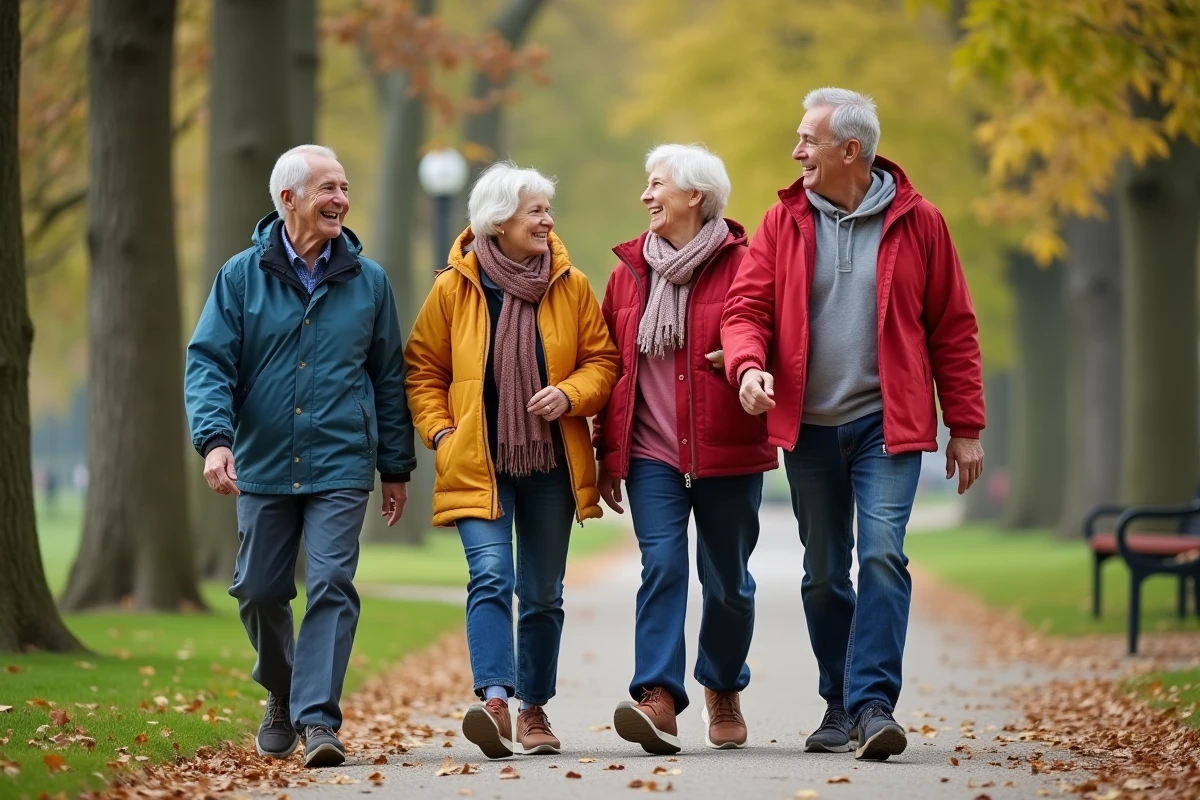
After 60, preserving one’s health is no longer an option but a daily necessity. We can no longer afford to neglect prevention. Physical activity, even at low intensity, plays a decisive role: it slows the onset of chronic conditions and directly affects overall well-being. Whether one opts for walking, gentle gym, yoga, or swimming, each discipline maintains autonomy, helps preserve mobility, and reduces the risk of falls. The data is clear: regularly engaging in activity improves long-term quality of life.
Nutrition also strongly influences physical and mental health. Betting on a varied plate, rich in fruits, vegetables, whole grains, and fish, is betting on the future. The Mediterranean diet, recognized for its protective effects on the heart and brain, stands out as an ally for those over 60. Drinking enough, limiting salt and added sugars, every detail reinforces balance. The advice shared on https://www.seniors-magazine.net/ reminds us that food remains a pleasure, but this pleasure can also rhyme with prevention.
Medical follow-up must be part of an active approach. It is no longer just about honoring an annual appointment, but about getting involved in prevention: vaccinations, screenings, fall prevention assessments… These steps lay the groundwork for prolonged autonomy. Pension funds and mutual insurance companies offer concrete solutions to support these stages, while AGIPI and other specialized players develop savings and protection schemes tailored to each journey.
Taking care of one’s health also means learning to listen to oneself. Taking into account subtle signals, not minimizing the impact of sleep, maintaining an active social life: these small, repeated gestures shape a vibrant and satisfying retirement.
How to stay active and curious daily to stimulate body and mind?
Structuring one’s days is a direct way to counter the temptation of inaction. Positive routines act as markers, providing rhythm and stability where the cessation of work might lead to drift. Alternating between physical activities and memory exercises keeps both body and mind alert.
Here are some easy-to-integrate suggestions for daily life:
- Starting the day with a walk or a gentle gym class wakes up the body and provides energy.
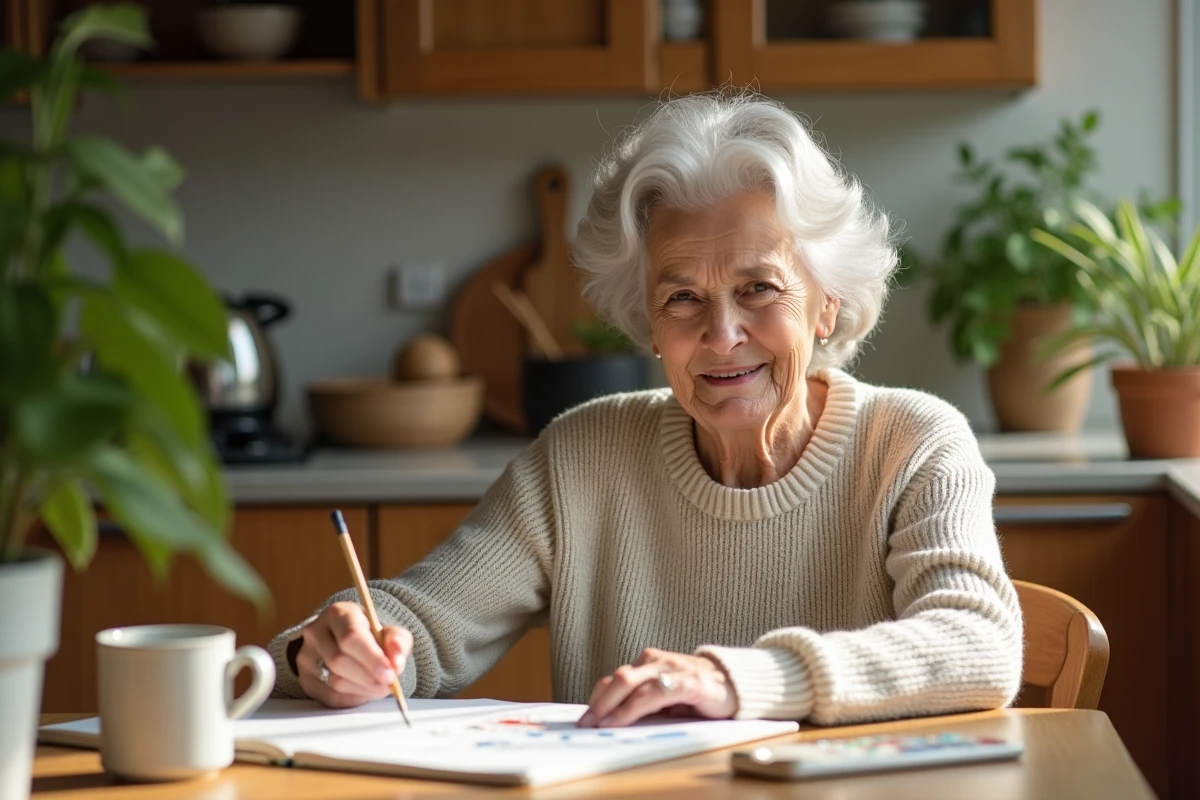
- Reading, playing board games, engaging in thinking or memory exercises maintains intellectual agility.
- Participating in creative workshops (painting, writing, music) stimulates imagination and opens up new discoveries.
Retirement also opens the door to learning: foreign languages, computer skills, photography… It is never too late to enrich one’s knowledge. Several studies confirm this: the brain, regularly challenged, retains its abilities better. This stimulation delays cognitive decline and encourages autonomy.
Curiosity is also nurtured through contact with others. Traveling, even nearby, renews one’s perspective on daily life and fosters new encounters. Gardening allows reconnecting with nature and contributes to mental balance. As for mentoring or volunteering, they value the experience accumulated over the years and breathe new life into engagement. Some even choose to continue a professional activity while combining work and retirement: this maintains social ties and ensures additional income. The concept of IKIGAI, this famous Japanese driver that gives meaning to existence, then takes on its full meaning to guide an active life full of projects after 60.
Social connections to cultivate for a fulfilling and meaningful retirement
Breaking free from social isolation starts with reconnecting with collective life. After 60, family, friends, and neighbors become solid anchors. Frequent exchanges, even brief ones, stabilize mood and prevent withdrawal. Numerous studies emphasize that social connections improve both mental and physical health, reduce the risk of depression, and promote overall well-being.
Retirement is also the perfect time to explore new horizons: joining a senior club, participating in workshops, engaging in volunteering… Associative engagement provides anchors, the opportunity to advocate for cherished causes, share one’s experience, and regain a sense of usefulness. Mentoring and passing on knowledge to younger generations strengthen confidence and encourage dialogue between generations.
Here are some concrete examples illustrating the richness of these relationships:
- Sharing moments with family, exchanging with a partner or grandchildren multiplies sources of comfort.
- Group activities organized by clubs or associations broaden the circle of acquaintances and stimulate desires.
Some people prefer to support isolated individuals or engage in solidarity actions. Others rely on the simplicity of a regular phone call to maintain connections and break isolation. Social life is not improvised: it is cultivated every day, through the regularity of gestures and the strength of commitments. An active and enriching retirement relies on a dense social life, creating meaning and new perspectives.
When the time for retirement opens up, everything becomes possible: new connections, curiosities to explore, horizons to invent. Nothing is predetermined; each path is traced through encounters and choices. It is up to each individual to reinvent their own balance, far from ready-made instructions, to combine freedom, health, and the desire to act.