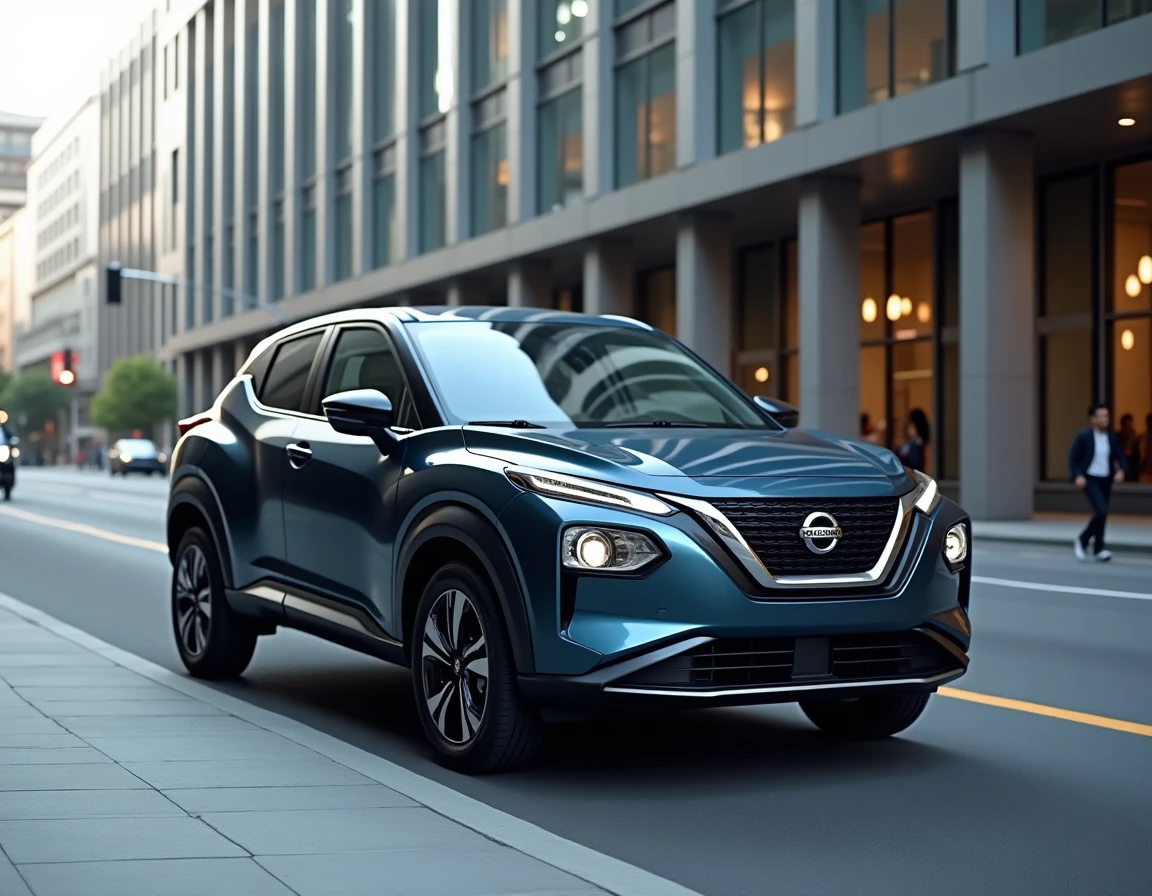
The 2026 Nissan Juke hybrid retains an architecture we have known for several years: a 1.6 naturally aspirated engine paired with an electric motor, a 1.0 kWh non-rechargeable battery, and a 4-speed automatic transmission. This technical foundation, directly inherited from the Renault-Nissan alliance, deserves a thorough examination to determine if the entry price remains coherent in the face of competition that has significantly progressed.
4-Speed Transmission and 1 kWh Battery: The Structural Limitations of the Juke Hybrid Powertrain
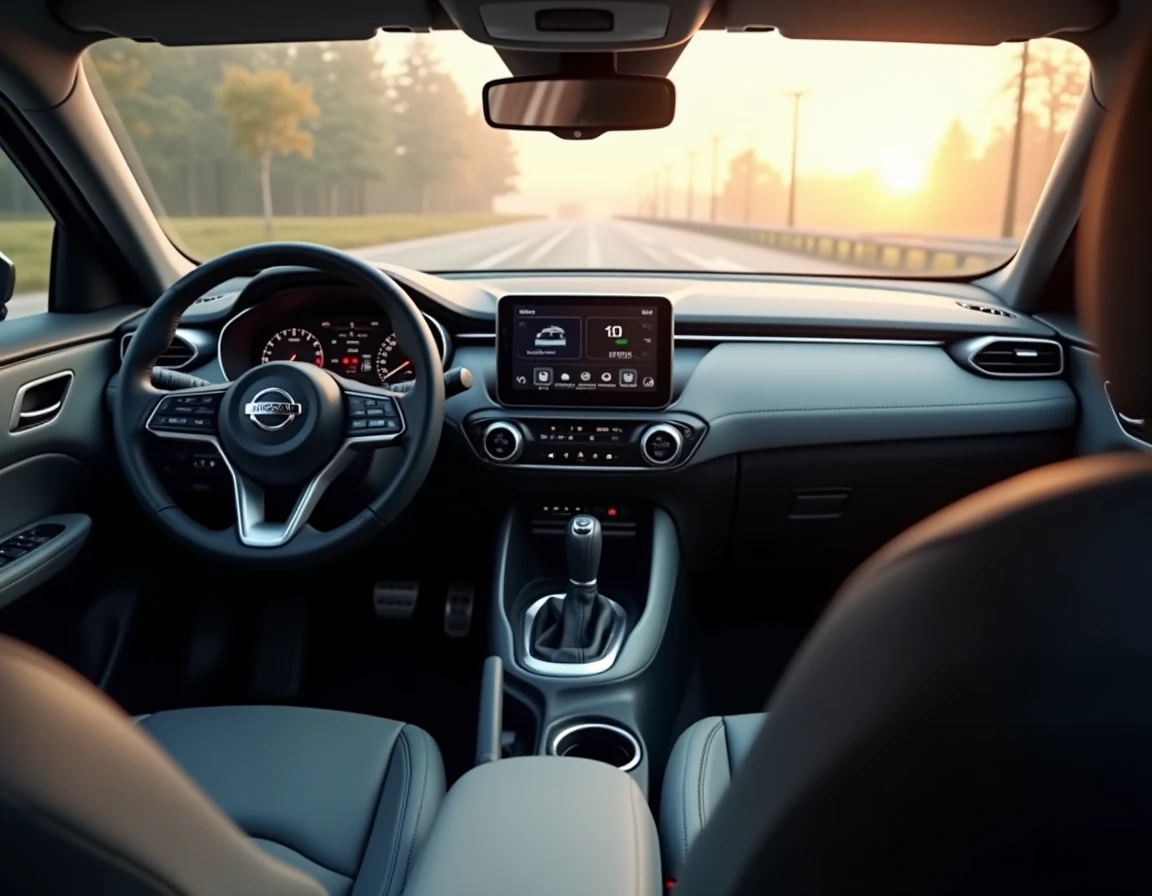
The 4-speed automatic transmission remains the most glaring weak point of the Juke hybrid. While Toyota has long offered a seamless epicyclic geartrain and Honda has shifted to more refined series architectures, Nissan relies on a multi-plate clutch whose operation is noticeable during spirited driving. The transitions between electric and thermal modes generate micro-hesitations that drivers accustomed to recent hybrids will find outdated.
The 1.0 kWh battery limits the range in pure electric mode to a few hundred meters under ideal conditions. We are not talking about a plug-in hybrid or even a full hybrid capable of covering several kilometers on its electric motor. The system primarily functions as a start and very low-speed driving assistant.
With 143 hp combined and a top speed of 166 km/h, the Juke hybrid confirms a positioning aimed at urban efficiency. The claimed consumption of 4.6 L/100 km in mixed cycle remains acceptable, though not exceptional compared to the latest generations of Renault Captur E-Tech or Toyota Yaris Cross. Our review of the 2026 Nissan Juke hybrid takes this mechanical reality into account: the powertrain does the job, but without visible room for improvement.
Pricing of the 2026 Nissan Juke Hybrid Against Competing Urban SUVs
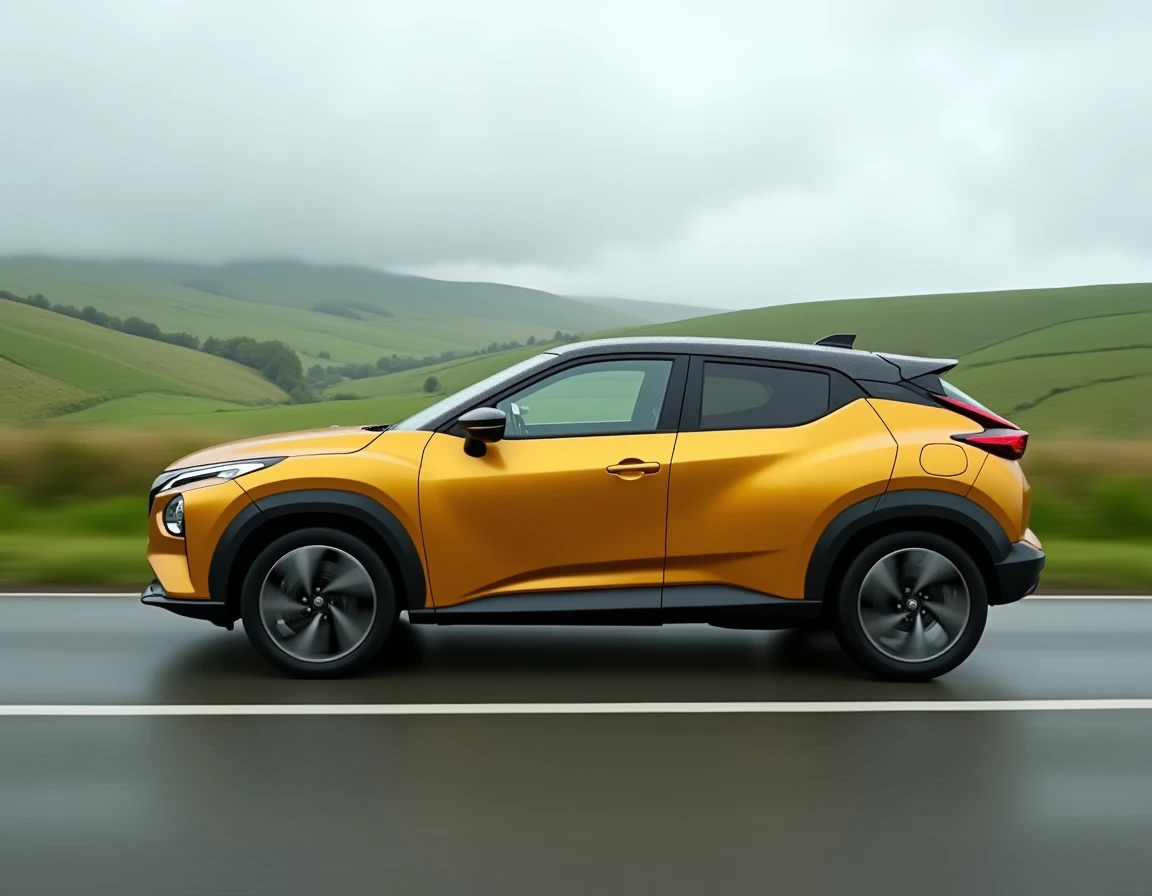
The pricing strategy constitutes the second point of concern. The 2026 price lists place the Juke hybrid between 35,900 and 38,000 euros depending on the trim level, which puts it in a price range where competitors offer more generous standard equipment or hybrid technology.
At this price level, a buyer can turn to a Renault Captur E-Tech full hybrid, whose multi-clutch architecture provides a smoother driving experience, or to a Toyota Yaris Cross, which benefits from a proven reputation for reliability over several generations. The Juke hybrid must then justify its price with other arguments.
What the N-Connecta, Tekna, and Kohaku Trims Really Offer
Nissan now offers the Juke hybrid in several trims: N-Connecta, Tekna, Business Edition, and Kohaku. This multiplication of variants shows that the brand is clearly pushing the Juke towards hybridization rather than maintaining gasoline as the core of the range.
- The N-Connecta trim includes connected navigation and level 2 driving aids, but the instrument cluster remains basic compared to what Korean competitors offer at the same price.
- The Tekna adds leather, a sunroof, and a Bose audio system, desirable features that drive up the price towards the top of the range.
- The Kohaku, a special edition, focuses on specific aesthetic treatment without any real technical gain compared to the N-Connecta.
The tax power of 5 CV remains a tangible advantage for running costs, especially for drivers facing a high regional penalty on their registration document.
Reliability and Real-World Feedback: What the Juke Hybrid is Worth in Daily Use
User feedback on specialized groups points to an overall satisfactory reliability of the hybrid unit. The recurring issues reported are more related to onboard electronics (multimedia system updates, temperamental parking assistance sensors) than to the powertrain itself.
The behavior in the city confirms the promises of the specifications. The Juke hybrid excels in urban and suburban use, with silent restarts and contained consumption in traffic jams. On the road and highway, the assessment deteriorates: the 1.6-liter 4-cylinder becomes noisy beyond 110 km/h, and the transmission struggles to find its gears during accelerations.
The trunk volume, a historical weak point of the Juke, has not evolved with hybridization. Families with young children will quickly find the limits of the rear space. This size compromise, accepted by Nissan, confines the Juke to a role as a second vehicle or a primary car for a childless couple.
2026 Nissan Juke Hybrid: Buy New or Turn to Used
The used market is starting to offer first-hand Juke hybrids with moderate mileage. The price gap between a new model and a recent example can reach several thousand euros, which significantly alters the financial equation.
- A recent used Juke hybrid with the N-Connecta trim represents a better price/equipment ratio than a new entry-level model.
- The depreciation in the first two years remains significant in this segment, which penalizes the new buyer but benefits those who wait.
- A well-inspected used Juke hybrid protects just as well as a new one regarding the powertrain, provided the hybrid system’s maintenance history is checked.
For a new purchase, we recommend targeting the N-Connecta trim, which offers the best balance between equipment and price. The Tekna is only justified if leather and Bose are among your non-negotiable priorities.
The 2026 Juke hybrid remains a competent urban SUV within its usage perimeter, but its hybrid architecture is starting to show its age against more technically advanced rivals. At equivalent pricing, the competition offers more sophisticated transmissions and higher-capacity batteries. The purchase is especially justified in the recent used market or for drivers attached to the distinctive design of the Juke and its contained tax power.