
What indicators truly measure the effectiveness of health systems for seniors in France? Between preventive assessments covered by health insurance, prescribed adapted physical activity, and digital monitoring tools, the levers have multiplied since the “Aging Well” law of 2024. Their impact on the health and well-being of seniors deserves a comparative reading rather than a simple inventory of best practices.
Senior Preventive Assessments: What the “Aging Well” Law Changes Concretely
Before 2024, medical-psycho-social assessments for those over 60 were scattered among various actors (primary care physicians, prevention centers, pension funds). The “Aging Well” law has structured their deployment by integrating them into a pathway covered by health insurance. The primary care physician can now prescribe a preventive assessment covering physical, cognitive, and social dimensions.
This assessment is not limited to a clinical examination. It includes an evaluation of functional autonomy, identification of fall risks, screening for sensory disorders, and a focus on social isolation. The results guide individuals toward collective workshops or adapted physical activity programs funded by regional health agencies and local authorities.
The available data on the Santé 365 website for seniors allows for cross-referencing this information with practical resources on prevention, medical follow-up, and home support systems.
Prescribed Adapted Physical Activity: Comparison of Regional Systems
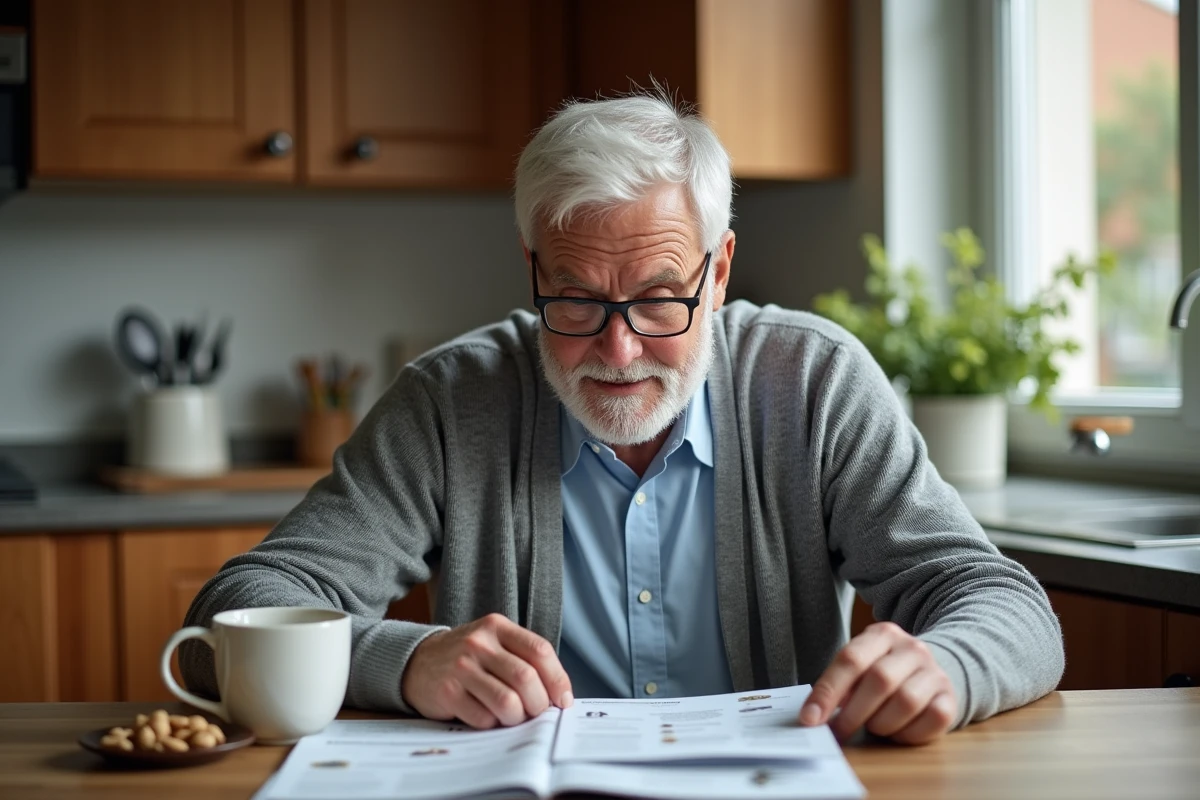
“Exercise on prescription” for seniors is not limited to daily walking. Adapted physical activity (APA) is subject to experiments funded by regional health agencies, with formats and target audiences varying by territory.
| Criterion | Prescribed APA (ARS pathway) | Collective workshops (pension funds) | Municipal programs |
|---|---|---|---|
| Medical prescription | Mandatory | Not required | Not required |
| Financial coverage | Partial (ARS, complementary) | Free or symbolic participation | Variable by municipality |
| Supervision | Qualified APA instructor | Trained facilitator | Variable |
| Individualized follow-up | Yes (initial assessment and re-evaluation) | Limited | Rarely |
| Target audience | Seniors with chronic illness or loss of autonomy | Autonomous retirees | All senior audiences |
The main gap lies in the follow-up. Prescribed APA requires an initial assessment and regular re-evaluations, allowing for adjustments in intensity and measuring progress. Collective workshops, on the other hand, operate without structured evaluation.
Regional health plans now recognize APA as a tool to combat chronic diseases and loss of autonomy. This recognition translates into increased funding since 2023, although territorial coverage remains uneven.
Digital Health for Seniors: Real Adoption and Persistent Barriers
My Health Space, telemedicine, treatment tracking apps: digital health tools are integrated into several national health education programs for those over 60. Their stated goal is twofold, to reduce the renunciation of care and limit isolation.
The reality of adoption remains mixed. Several barriers persist among seniors:
- Unequal mastery of digital interfaces, even for simple actions like logging into a secure portal or downloading a medical report
- Lack of structured training outside major urban areas, where digital workshops are rarer
- Mistrust regarding the confidentiality of health data, amplified by negative experiences (phishing, telemarketing)
Successful programs combine human support (digital mediator, trained pharmacist) with simplified access to platforms. Training in digital health becomes more effective when it involves a trusted third party, such as the primary care physician or local pharmacist.
Housing Adaptation and Teleassistance: The Pillars of Home Care

Since the Covid-19 pandemic, French public policies have accelerated the shift towards “aging in place.” Housing adaptation (grab bars, walk-in showers, enhanced lighting) and teleassistance systems are placed on par with nutrition or physical activity in expert recommendations.
Fall sensors and home automation represent a growing segment. However, their effectiveness heavily depends on the quality of installation and the response time of the associated teleassistance service. A poorly calibrated sensor generates false alerts that end up being ignored.
- Home automation (automated shutters, motion detectors, night light paths) reduces fall risks without changing the resident’s habits
- Active teleassistance (connected bracelet or pendant) remains the most widespread device, with voluntary activation by the wearer
- Passive sensors (automatic fall detection, movement analysis) provide an additional layer of security for individuals with cognitive disorders
Coordinated home intervention with these technological tools constitutes the most comprehensive model for prolonging autonomy. The preventive assessment provided for by the “Aging Well” law also includes a housing evaluation in its criteria.
The determining factor is not the quantity of deployed devices, but their integration. A preventive assessment that leads to a prescription for APA, housing adaptation, and coordinated digital support produces measurable results on the quality of life and autonomy of seniors. It is this integrated prevention chain that distinguishes effective pathways from isolated actions.