
No algorithm can balance a family’s days. Even the most finely tuned schedules sometimes clash with the reality of a chaotic morning or a forgotten appointment.
However, there are methods to lighten the daily load, structure routines, and encourage children’s independence. Several approaches, tested by parents and validated by experts, integrate effortlessly into family life and bring tangible benefits.
Why does managing family life sometimes seem so complicated?
Steering through the daily family routine often feels like high-wire act. Between planning groceries, adhering to school schedules, back-to-back appointments, and unexpected surprises, mental load inevitably creeps into parents’ minds. Responsibilities intertwine, expectations pile up, and the pressure to juggle everything creates an electric atmosphere. Add to this the gaze of others, the temptation to compare, and you have the perfect breeding ground for impossible demands.
Living as a family requires both organization and genuine flexibility in the face of the unexpected. Adults juggle their own emotions, the dynamics of the parental couple, and sometimes explosive dynamics with the children. Educating is not just about setting rules: it’s about providing guidance, supporting each individual in learning respect, mutual aid, and common balance.
We dream of a smooth daily life, but reality comes with its snags and hesitations. To breathe, it becomes essential to adjust expectations, stop measuring oneself against others, and not pass on personal worries. Resources like Astuces Parents regularly remind us: family serenity is built on listening, adapting, and stable references that reassure both children and adults.
Concrete tips to lighten mental load and gain serenity
Building a solid routine offers everyone a predictable and calming framework. The youngest find their bearings, and adults regain a bit of breathing room. Morning, at the table, at bedtime: each moment of the day benefits from being ritualized. Visual aids, charts, pictograms, and lists become true allies in guiding children towards greater autonomy and limiting repetitive reminders.
Sharing tasks is not imposed; it is built. When each household member, according to their age, finds their place in daily missions, the atmosphere lightens, and everyone feels like an actor rather than a spectator.
In positive parenting, the focus is on listening and exchanging. Taking time to understand what is happening, clearly expressing expectations, and diffusing tensions through conversation strengthens family bonds. Valuing efforts and recognizing attempts allows everyone to move forward without fearing missteps.
Expressing gratitude, offering sincere compliments, and thanking for initiatives also places trust at the center of family life. Moments of play, complicity around a book or a recipe, shared rituals—all of this anchors the joy of being together and makes daily life sweeter.
Here are some levers to activate to lighten mental load and strengthen family cohesion:
- Rely on stable routines, possibly in visual form.
- Distribute responsibilities so that everyone contributes to communal life.
- Communicate with kindness and clarity, without insinuations or unspoken issues.
- Emphasize effort, listening, and shared enjoyment, beyond results.
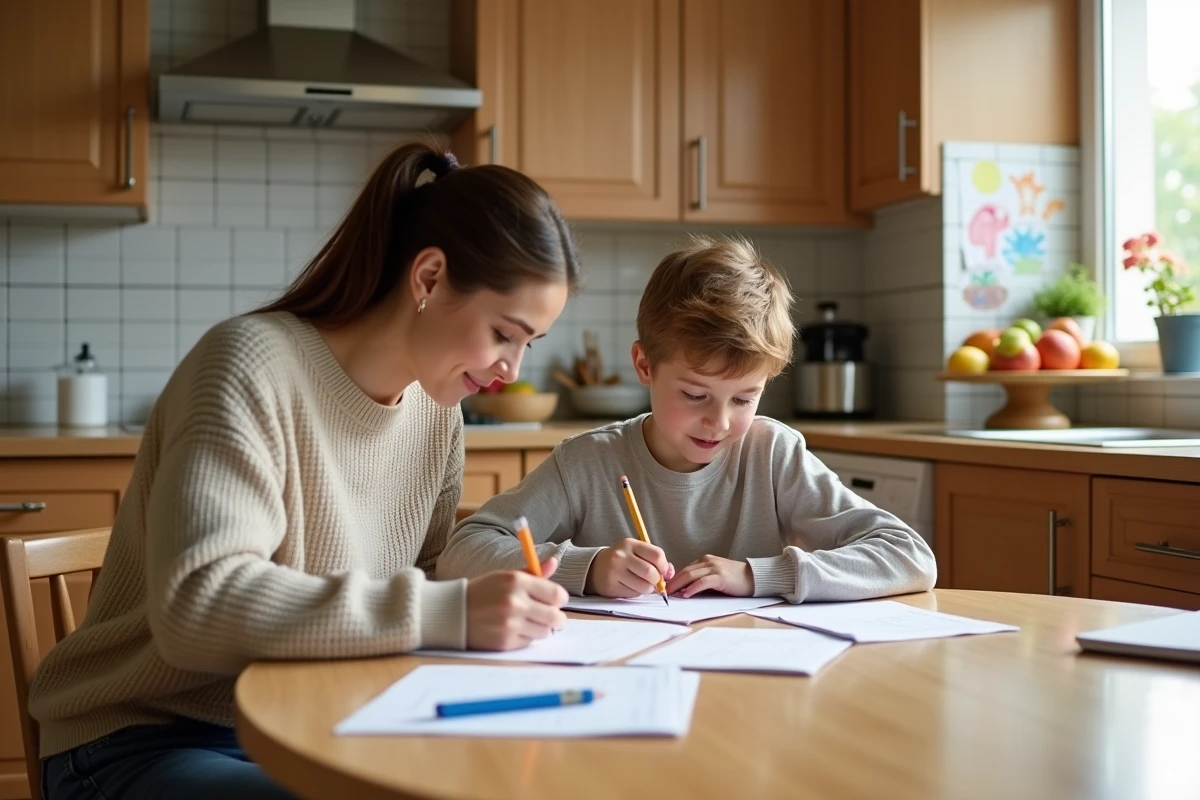
Supporting children’s independence: methods and resources that make a difference
Granting autonomy to children is neither a gamble nor a trend. It all begins early, in the trust that adults give, in the space left for initiative. Encouraging, empowering, offering choices, allowing attempts and retries: this is how resourcefulness and self-confidence blossom.
Parental example remains the best guide. Showing how to tidy up, prepare a backpack, or name emotions gives the child concrete and accessible references. Allowing room for mistakes and praising progress nurtures a solid emotional foundation and the desire to try again. Kindness is not just a slogan: it is rooted in the attention given, in the availability, even if brief, that one grants to each request.
To help children grow in autonomy, several avenues can be explored:
- Develop simple, clear, and shared life rules together.
- Encourage experimentation: let the child put on their shoes, choose their snack, manage their school bag.
- Organize the space so that it is within the child’s reach and fosters their initiatives.
Developing emotional intelligence is equally crucial. Putting words to feelings, welcoming frustrations, and opening a space for expression are powerful levers to support the child. Inspired by solid references, positive parenting invites the combination of autonomy and consideration of needs. Each new step, each entrusted mission, consolidates this essential foundation for the flourishing of the youngest.